
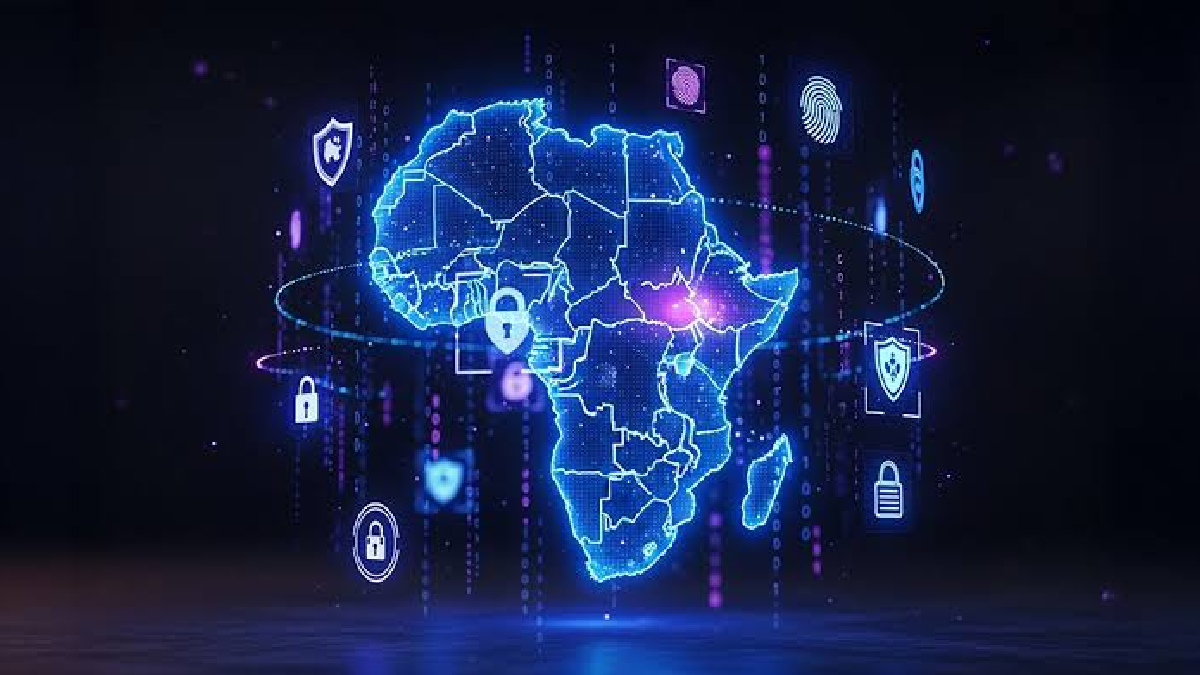
Across East Africa, a mobile phone number is no longer just a tool for communication—it has evolved into a primary gateway for banking, mobile money transactions, e-commerce, and essential public services. However, as the region’s rapid digitization accelerates alongside the integration of artificial intelligence (AI), East Africa’s expanding digital footprint is attracting increasingly sophisticated cyber threats.
Writing in Business Daily, Imran Chaudhrey, East Africa Country Manager at Fortinet, emphasizes that safeguarding the region’s interconnected digital infrastructure is now a prerequisite for long-term economic resilience and innovation.
The Dual Edges of Rapid Digitization
Mobile money systems such as M-Pesa have deeply integrated into daily commerce across Kenya, Uganda, Tanzania, and Rwanda, while both private enterprises and state institutions rapidly digitize public service delivery.
This expanding connectivity brings major vulnerabilities:
• Targeting Financial Ecosystems: Highly integrated mobile payment networks and cloud-connected financial platforms present high-value targets for transnational cybercriminal networks.
• AI-Powered Cyber Threats: Attackers are increasingly leveraging generative AI and machine learning to automate phishing, craft highly personalized social engineering attacks, and rapidly exploit code vulnerabilities faster than traditional IT security teams can patch them.
• Critical Infrastructure Vulnerabilities: As utilities, transport networks, and healthcare providers transition to cloud-based management systems, operational technology (OT) networks face elevated risks of ransomware and service disruption.
Moving Beyond Legacy Security Models
Chaudhrey points out that traditional perimeter-based security architectures are no longer sufficient to defend dynamic, multi-cloud environments or remote workforces.
To secure the digital economy, East African institutions must prioritize modern cybersecurity frameworks:
- Zero-Trust Architecture: Implementing strict access controls based on the principle of “never trust, always verify”—ensuring that users and devices are continuously authenticated regardless of network location.
- AI-Driven Threat Intelligence: Deploying automated security orchestration and real-time threat intelligence platforms capable of detecting and mitigating automated cyber attacks at machine speed.
- Consolidation and Integration: Reducing security sprawl by consolidating fragmented point solutions into unified security platforms that provide end-to-end visibility across hybrid network environments.
Building a Resilient Cybersecurity Ecosystem
Technical solutions alone cannot address the regional threat landscape without institutional support and human capital development.
Bridging East Africa’s cybersecurity gap requires cross-border collaboration between governments, industry bodies, and technology providers to harmonize regional cyber laws, facilitate threat-sharing networks, and address the acute shortage of trained cybersecurity professionals.
Ensuring that digital infrastructure remains secure will determine how confidently East Africa can build, scale, and protect its future economic growth.
Source: businessdailyafrica.com

